Mastering Social Planning with Mobile App Screen Sets: A Comprehensive Guide
Introduction to Social Planning Mobile Apps
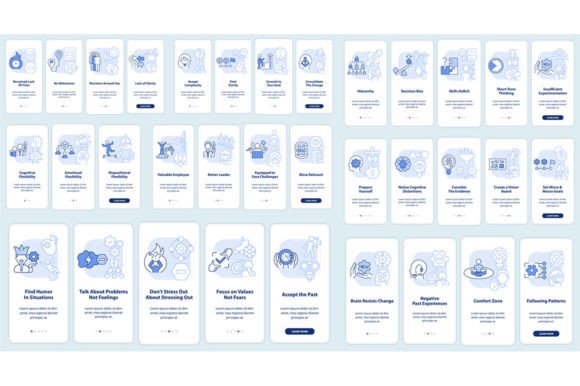
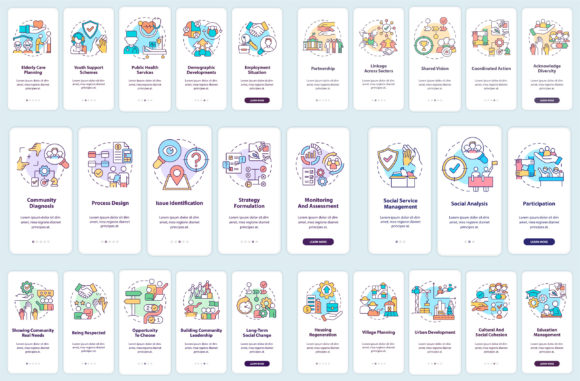
Social planning mobile apps have become indispensable tools in our daily lives, helping us organize and manage social activities, events, and interactions. These apps are designed with user-friendly interfaces and intuitive features that make it easy for users to plan and coordinate their social calendars. This article will guide you through the essential components of a social planning mobile app screen set, including onboarding screens, walkthrough steps, and graphic instructions, all while highlighting the importance of UI, UX, and GUI design.
Understanding the Purpose and Significance
Social planning apps serve a crucial role in modern life by streamlining the process of organizing and participating in social events. Whether it's scheduling a dinner date, coordinating a group project, or planning a weekend getaway, these apps provide a centralized platform for communication, scheduling, and collaboration. By using a well-designed social planning app, users can save time, reduce stress, and enhance their overall social experiences.
The Role of User Experience (UX) and User Interface (UI)
The success of a social planning app heavily relies on its user experience (UX) and user interface (UI). A seamless UX ensures that users can navigate the app effortlessly, while an appealing UI makes the app visually attractive and engaging. Key elements of a good UX/UI design include:
- Intuitive Navigation: Easy-to-use menus and clear pathways to different sections of the app.
- Consistent Design: Uniformity in color schemes, fonts, and layout to maintain a cohesive look and feel.
- Responsive Layouts: Adaptable designs that work well on various screen sizes and orientations.
Onboarding Screens: First Impressions Matter
The onboarding process is the first interaction users have with the app, and it sets the tone for their entire experience. Effective onboarding screens should be simple, informative, and engaging. Here’s how to create a compelling onboarding experience:
- Welcome Screen: A warm and inviting welcome message that introduces the app and its key features.
- Feature Highlights: Brief, visual explanations of the app’s main functionalities, such as event creation, calendar integration, and group messaging.
- Setup Instructions: Step-by-step guidance on setting up the app, including account creation, profile setup, and permission settings.
Walkthrough Steps: Guiding Users Through the App
A well-structured walkthrough helps users understand how to use the app effectively. Here are some key steps to include in your walkthrough:
- Event Creation: Show users how to create and customize events, including adding details, setting dates, and inviting participants.
- Calendar Integration: Demonstrate how to sync the app with the user’s calendar to keep track of upcoming events and appointments.
- Group Communication: Explain how to use the app’s messaging and chat features to communicate with event participants and share updates.
- Notifications and Reminders: Highlight the importance of setting up notifications and reminders to stay informed about upcoming events and deadlines.
Graphic Instructions: Visual Aids for Clarity
Visual aids, such as infographics and step-by-step graphics, can greatly enhance the user’s understanding of the app’s features. Here are some tips for creating effective graphic instructions:
- Use Clear Icons: Employ simple, recognizable icons to represent different actions and features within the app.
- Highlight Key Features: Use callouts and highlights to draw attention to important buttons, menus, and options.
- Sequential Steps: Present the information in a logical, step-by-step format to guide users through the process.
Product File Formats and Design Tools
To ensure that your social planning app looks and functions perfectly across different devices and platforms, it’s essential to use the right file formats and design tools. Commonly used file formats include:
- EPS: Vector format for high-quality, scalable graphics.
- SVG: Scalable vector graphics for web and mobile use.
- PNG: High-resolution raster images with transparency support.
- JPEG: Compressed images for fast loading and efficient storage.
- AI: Adobe Illustrator files for vector-based designs.
For designing the app’s UI/UX, consider using popular tools like Adobe XD, Sketch, or Figma. These tools offer robust features for creating and testing interactive prototypes, ensuring a smooth and intuitive user experience.
Conclusion: Embrace the Power of Social Planning Apps
Social planning mobile apps are powerful tools that can significantly enhance your ability to organize and enjoy social activities. By focusing on a well-crafted onboarding process, detailed walkthroughs, and clear graphic instructions, you can create an app that is both functional and user-friendly. Remember to leverage the right file formats and design tools to ensure a polished and professional final product.
Stay updated with the latest trends and discounts by subscribing to BSD Studio. Join our community and access a wide range of resources, including icons, brochure templates, and more, to help you build the perfect social planning app.