Unlocking Security and Convenience: The Usage of Biometrics Mobile App Screens
Biometrics mobile app screens have revolutionized the way we interact with our devices, offering a seamless blend of security and convenience. Whether you're a general consumer, professional, or business owner, understanding the usage of biometrics in mobile apps can enhance your digital experience.
What Are Biometrics Mobile App Screens?
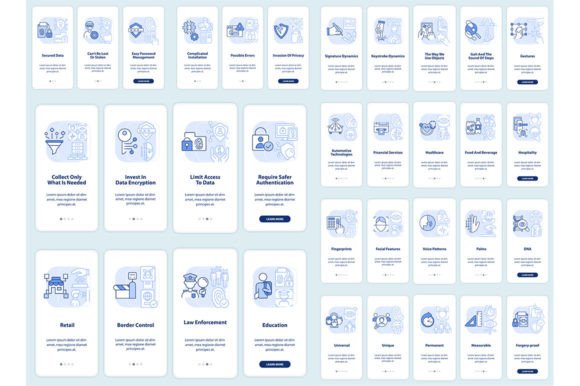
Biometrics mobile app screens refer to the user interfaces (UI) that incorporate biometric authentication methods, such as fingerprint, facial recognition, and iris scanning. These screens are designed to provide a secure and user-friendly way to access and use mobile applications.
Purpose and Features
- Enhanced Security: Biometrics offer a higher level of security compared to traditional passwords, making it harder for unauthorized users to gain access.
- User Convenience: With biometrics, users can quickly and easily authenticate themselves without the need to remember complex passwords.
- Seamless Integration: Modern mobile app screens are designed to integrate biometric features smoothly, providing a cohesive and intuitive user experience (UX).
Where Can Biometrics Be Used?
Biometrics mobile app screens are versatile and can be applied across various industries and use cases. Here are some examples:
- Financial Services: Banks and financial institutions use biometrics to secure mobile banking apps, ensuring that only authorized users can access sensitive financial information.
- Healthcare: Medical apps can leverage biometrics to protect patient data and ensure that only authorized healthcare providers can access confidential medical records.
- Retail and E-commerce: Shopping apps can use biometrics for secure and quick checkout processes, enhancing the overall shopping experience.
- Enterprise Solutions: Businesses can implement biometrics in their internal apps to manage employee access and protect company data.
Who Can Benefit from Biometrics Mobile App Screens?
The benefits of using biometrics in mobile app screens extend to a wide range of users:
- General Consumers: Anyone who uses a smartphone can benefit from the added security and convenience of biometric authentication.
- Professionals: Business professionals and employees can use biometrics to securely access work-related apps and data.
- Business Owners: Companies can enhance their security protocols and provide a better user experience for their customers and employees.
- Creators and Developers: App developers can integrate biometric features to create more secure and user-friendly applications.
Strengths and Considerations
While biometrics mobile app screens offer numerous advantages, it's important to consider both their strengths and potential limitations:
Strengths
- High Security: Biometrics provide a robust layer of security, reducing the risk of unauthorized access.
- Convenience: Users can quickly and easily authenticate themselves, eliminating the need for remembering multiple passwords.
- Widespread Adoption: Most modern smartphones support biometric authentication, making it a widely accessible feature.
Considerations
- Privacy Concerns: Some users may have concerns about the collection and storage of biometric data.
- Technology Limitations: Not all devices support the same biometric features, which can limit the usability of certain apps.
- Initial Setup: Integrating biometrics into an app requires careful planning and development to ensure a smooth and secure implementation.
Real-World Scenarios and Applications
Let's explore a few real-world scenarios where biometrics mobile app screens have made a significant impact:
- Mobile Banking: A major bank implemented biometric authentication in its mobile app, allowing customers to log in and perform transactions with just a fingerprint. This not only enhanced security but also improved the user experience by reducing the time and effort required for authentication.
- Healthcare Management: A hospital chain developed a mobile app for doctors and nurses to access patient records. By incorporating facial recognition, they ensured that only authorized personnel could view and update sensitive medical information, thereby maintaining patient confidentiality.
- E-commerce Checkout: An e-commerce platform integrated biometric authentication into its mobile app, enabling customers to complete purchases with a simple fingerprint scan. This streamlined the checkout process, leading to increased customer satisfaction and reduced cart abandonment rates.
Evaluating Suitability for Your Needs
When considering the usage of biometrics mobile app screens, it's essential to evaluate whether they align with your specific needs and goals. Here are some key factors to consider:
- Security Requirements: Assess the level of security needed for your application. Biometrics can be particularly beneficial for apps that handle sensitive or personal information.
- User Experience: Determine how biometrics can enhance the user experience. If your users value convenience and speed, biometric authentication can be a valuable addition.
- Device Compatibility: Check the compatibility of biometric features with the devices your target audience uses. Ensure that the majority of your users can benefit from the biometric integration.
- Development Resources: Evaluate the resources required to implement biometric features. Consider the development time, costs, and any additional tools or libraries needed.
Conclusion
The usage of biometrics mobile app screens offers a powerful combination of security and convenience, making them a valuable addition to a wide range of applications. By understanding the purpose, features, and practical considerations, you can make informed decisions about integrating biometrics into your mobile app. Whether you're a general consumer, professional, or business owner, biometrics can significantly enhance your digital experience and provide peace of mind.
For more information and to stay updated on the latest trends and discounts, subscribe to BSD Studio. We create icons, brochure infographic templates, mobile app screen pages, and more. New topics and discounts are available every week.