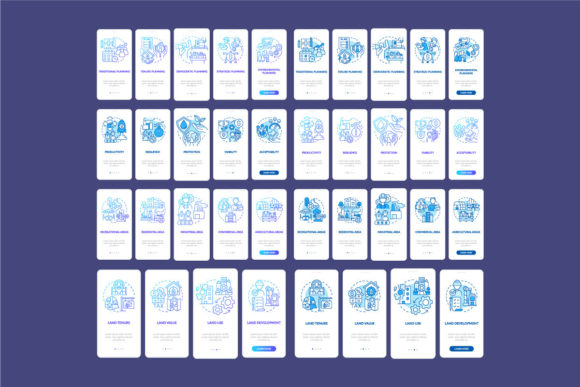
Exploring Sustainable Land Management Mobile Apps: A Comprehensive Guide
Sustainable Land Management (SLM) is a critical practice for maintaining the health and productivity of our natural resources. With the rise of mobile technology, Sustainable Land Management Mobile Apps have become an essential tool for land managers, farmers, and environmentalists. These apps provide a user-friendly interface to manage, monitor, and optimize land use in a sustainable manner.
Understanding Sustainable Land Management Mobile Apps
Sustainable Land Management Mobile Apps are designed to help users implement and track SLM practices. These apps typically offer features such as soil health monitoring, water management, biodiversity conservation, and pest control. They often include tools for data collection, analysis, and reporting, making it easier for users to make informed decisions about their land.
Key Features of SLM Mobile Apps
- Soil Health Monitoring: Track soil nutrients, pH levels, and organic matter content.
- Water Management: Monitor water usage, irrigation schedules, and drainage systems.
- Biodiversity Conservation: Identify and protect native species, and manage invasive species.
- Pest Control: Implement integrated pest management strategies and track pest populations.
- Data Analysis and Reporting: Generate reports and visualizations to assess the effectiveness of SLM practices.
Comparing SLM Mobile Apps with Traditional Methods
While traditional methods of land management, such as manual record-keeping and periodic inspections, are still widely used, SLM mobile apps offer several advantages. For instance, they provide real-time data, reduce the risk of human error, and enable more efficient and accurate decision-making. However, they also come with some trade-offs, such as initial setup costs and the need for regular updates and maintenance.
Strengths of SLM Mobile Apps
- Real-Time Data: Immediate access to up-to-date information on land conditions.
- Accuracy and Precision: Reduced human error and more reliable data.
- Efficiency: Streamlined processes and automated tasks save time and resources.
Limitations and Tradeoffs
- Initial Costs: Investment in hardware and software can be significant.
- Technical Skills: Users may require training to effectively use the app.
- Dependency on Technology: Reliance on devices and internet connectivity can be a challenge in remote areas.
When to Choose SLM Mobile Apps
Sustainable Land Management Mobile Apps are particularly useful for large-scale operations, where managing vast amounts of data and coordinating multiple activities can be challenging. They are also beneficial for those who need to comply with regulatory requirements and want to demonstrate their commitment to sustainability. However, for small-scale or low-tech operations, traditional methods may still be more practical and cost-effective.
Best-Fit Situations
- Large-Scale Operations: Farms, ranches, and conservation projects that need to manage extensive data.
- Regulatory Compliance: Organizations that need to meet specific environmental standards and reporting requirements.
- Technology-Driven Environments: Settings where digital tools and data analytics are already in use.
When to Consider Alternatives
- Small-Scale Operations: Small farms or individual landowners who may not need the advanced features of SLM mobile apps.
- Limited Budgets: Organizations with limited financial resources may find traditional methods more cost-effective.
- Low-Tech Environments: Areas with poor internet connectivity or limited access to technology.
Making the Right Decision
Choosing the right tool for your land management needs depends on various factors, including the scale of your operation, your budget, and your technical capabilities. Sustainable Land Management Mobile Apps offer a powerful and efficient solution for those who can leverage their advanced features and real-time data. However, it's important to carefully evaluate your specific requirements and consider all available options before making a decision.
By understanding the strengths and limitations of SLM mobile apps, you can make a more informed choice and select the best tool to support your sustainable land management goals.